
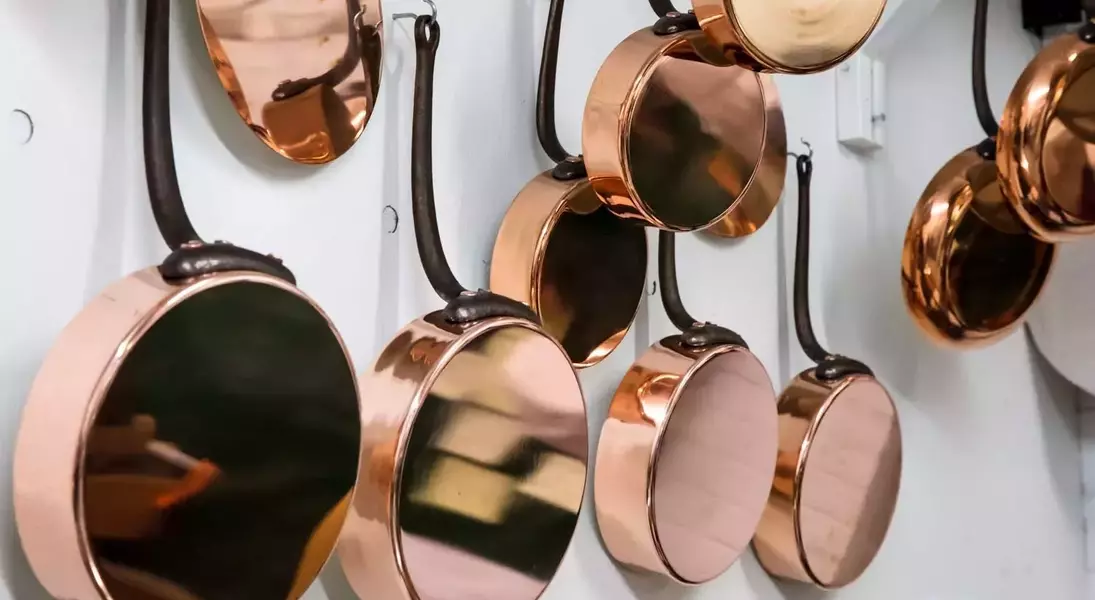
Copper cookware, often likened to a luxury sports car, is celebrated for its remarkable responsiveness to temperature changes, heating up and cooling down with impressive speed. This attribute makes it a highly coveted tool for discerning chefs and serious home cooks alike. However, selecting the right copper pots and pans involves understanding their unique properties, including the various lining materials and ideal thickness, to maximize their performance and longevity.
Copper, one of the earliest metals utilized by humanity, boasts a history stretching back approximately 11,000 years. Initially used for decorative items, its application evolved over millennia to include utilitarian objects like bowls and ultimately, cookware. The metal's exceptional ability to conduct heat and electricity, a quality evident in electrical wiring, is precisely what makes it so valuable in the kitchen. Unlike cast iron, which retains heat for extended periods, copper's rapid thermal response allows for precise temperature control, making it ideal for delicate preparations such as fish, seafood, sauces, caramel, and chocolate. This quick heat dissipation minimizes the risk of overcooking once a pan is removed from the heat source.
A crucial consideration when choosing copper cookware is the lining material, necessitated by copper's reactive nature with acidic foods. Traditionally, tin was the lining of choice due to its inertness and nonstick properties. However, tin's low melting point (around 450°F or 230°C) means it's not suitable for high-heat searing and requires careful handling to prevent damage. Over time, tin linings wear out and need re-tinning, an additional maintenance cost. Modern copper cookware often features stainless steel linings, which offer superior durability but can be less nonstick and are difficult to repair if damaged. Other, rarer linings include nickel and silver, the latter being an even better heat conductor, though prohibitively expensive. Certain unlined copper vessels, like jam pots or egg white mixing bowls, are exceptions, designed for specific culinary tasks where copper's reactivity is either mitigated or beneficial.
Beyond the lining, the thickness of the copper is paramount to its performance. Experts generally recommend a thickness of 2.5 to 3 millimeters; thinner pans may heat unevenly, while thicker ones can lose copper's characteristic rapid response. The manufacturing method, whether spun, stamped, or rolled, does not inherently dictate quality, though spinning copper is a highly skilled craft. Decorative hammer marks, once a sign of strengthening, are now mostly aesthetic. For those interested in antique copper cookware, identifying its origin by handle design (e.g., British sharp triangular, French rounded triangular, or American elongated bar-like) and looking for maker's stamps can lead to valuable finds. Vintage pieces, often tin-lined, may require re-tinning and polishing but can be restored to their former beauty and functionality, proving that even a seemingly worn item can hold significant value.
Maintaining copper cookware involves cleaning the interior with hot, soapy water and a gentle scrubber, similar to other pots and pans. The exterior copper can be left to develop a natural patina or polished regularly for a gleaming finish. When storing, especially if stacking, using pot and pan protectors is recommended to prevent scratches. Investing in copper cookware, particularly high-quality sets like the Mauviel M’3S or the more budget-friendly Viking 3-Ply, offers exceptional cooking precision and a timeless aesthetic. While copper's responsiveness and reactive nature demand attention to lining and temperature, its benefits for delicate cooking tasks make it a worthwhile addition to any kitchen. Even induction-friendly options, like the Hestan CopperBond set, provide versatility despite a slightly slower response time.