
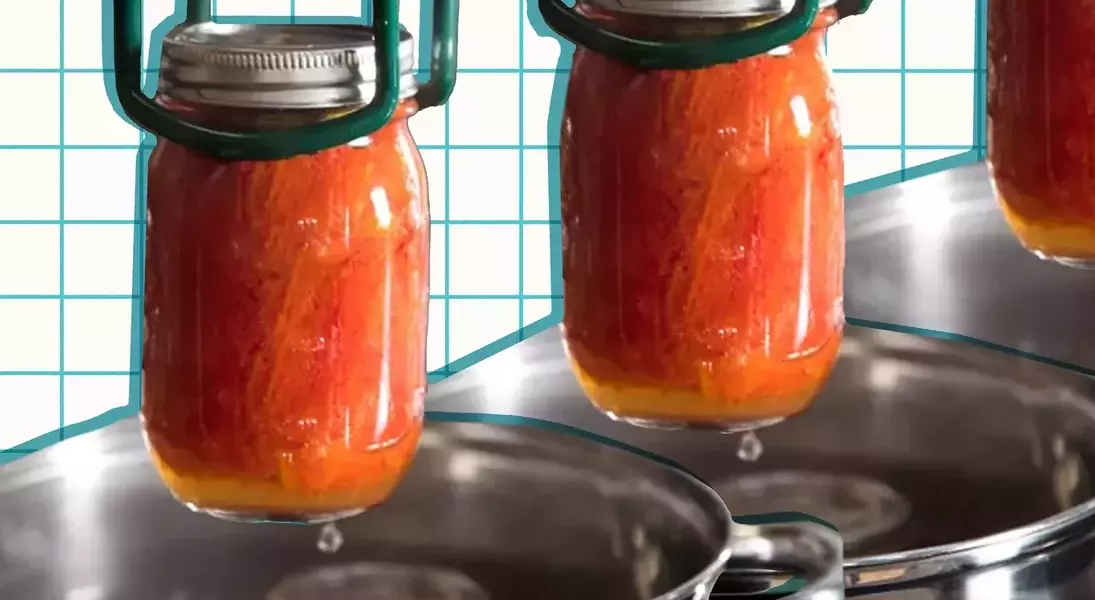
Preserving the bounty of summer's ripe tomatoes is a rewarding culinary endeavor, but it demands careful attention to food safety. The inherent variability in tomato acidity necessitates specific measures to prevent the growth of harmful bacteria, particularly Clostridium botulinum, which thrives in low-acid, oxygen-deprived environments. By understanding and implementing proper canning techniques, you can enjoy the vibrant flavor of home-canned tomatoes throughout the year with confidence. This guide explores the crucial steps involved in safe tomato preservation, from adjusting pH levels to choosing the appropriate canning method and adhering to best practices.
The journey to safely canned tomatoes involves a critical balance between acidity and heat. Given that tomatoes can have fluctuating pH levels, it's essential to proactively ensure a safe environment for preservation. The addition of bottled lemon juice or citric acid acts as a safeguard, guaranteeing that the acidity reaches a level inhospitable to harmful microorganisms. This foundational step dictates the subsequent canning method, with boiling-water baths sufficing for acidified tomatoes, while pressure canning becomes imperative for those processed without additional acid, or when incorporating other ingredients. Furthermore, meticulous preparation, including selecting prime produce and leaving adequate headspace in jars, contributes significantly to both the safety and quality of the preserved product.
The Critical Role of Acidity in Tomato Canning
To safely preserve tomatoes, maintaining a specific acidity level is paramount, acting as a crucial defense against foodborne pathogens such as Clostridium botulinum. This bacterium flourishes in low-oxygen environments with insufficient acidity, making it a significant concern in canning. The pH scale, which measures acidity, is central to safe canning practices; a pH of 4.6 or lower is required for foods to be considered safe for preservation. While many tomato varieties naturally fall within this safe pH range, others, or even fruits at different stages of ripeness, can exhibit higher pH levels, rendering them unsafe for canning without intervention. Therefore, consistently adjusting the acidity of tomatoes before canning is a non-negotiable step to mitigate risks and ensure the safety of your stored goods.
Given the natural variability in tomato pH, relying solely on a tomato's inherent acidity can be risky. Studies indicate that both commercially grown and heirloom tomatoes can have pH values ranging from 3.7 to 5.2, highlighting the unpredictability of this factor. To counteract this uncertainty and ensure safety, the addition of an external acid source is highly recommended. Bottled lemon juice is preferred over fresh lemon juice due to its consistent and controlled pH, eliminating any guesswork. Alternatively, citric acid can be used. For each quart jar of tomatoes, a standard recommendation from experts, such as the University of Georgia's National Center for Home Food Preservation, is to add two tablespoons of bottled lemon juice or half a teaspoon of citric acid. This simple yet critical step guarantees that the tomatoes' pH is safely below 4.6, establishing a secure foundation for either boiling-water or pressure canning methods.
Choosing the Right Canning Method: Boiling-Water vs. Pressure Canning
When preserving tomatoes, selecting the appropriate canning method is crucial for both safety and quality. Both boiling-water canning and pressure canning effectively remove air from jars, creating a vacuum seal essential for preservation. However, their differences lie in the temperatures they achieve and, consequently, the types of food they are best suited for. Boiling-water canners typically reach the atmospheric boiling point of 212°F (100°C), making them ideal for high-acid foods like fruits and acidified vegetables. In contrast, pressure canners elevate the boiling point to temperatures exceeding 250°F (121°C), providing a significantly hotter environment that is more effective at eliminating heat-resistant microorganisms, particularly important for low-acid foods or those without added acidification.
The choice between boiling-water canning and pressure canning for tomatoes largely depends on whether you've adjusted their acidity. If bottled lemon juice or citric acid has been added to bring the tomatoes' pH to a safe level (4.6 or below), a boiling-water bath is generally considered sufficient for safe processing, as confirmed by various food safety guidelines. Conversely, if you opt not to add acid, pressure canning becomes indispensable to achieve the necessary high temperatures for bacterial destruction. Beyond safety, processing time is another factor to consider. Boiling-water canning can take up to 85 minutes for tomatoes, potentially resulting in a softer, mushier texture. Pressure canning, with a mere 25-minute processing time plus venting, helps maintain the tomatoes' texture more effectively. Furthermore, if you wish to incorporate low-acid ingredients such as garlic, oregano, or basil, a pressure canner is mandatory, as these additions can reduce the overall acidity of the tomatoes, increasing the risk of spoilage if not processed at higher temperatures.